How to Prevent Stormwater Overflow from Perth Roof Valleys
Roof valleys are the internal angles where two roof planes meet, and they carry a far larger volume of water than any other part of the roof. In Perth and Fremantle, where most of the annual rainfall arrives between May and September, valleys are often the first place a roofing system fails under pressure. When a valley overflows, water can spill over the edge of the gutter, back up under tiles or sheeting, soak into eaves and ceilings, and erode soil or undermine paving around the foundations. This guide explains why valleys overflow and what property owners can do to prevent it.
Why Roof Valleys Overflow in Perth
A valley collects runoff from two roof surfaces and funnels it into a narrow channel. During a heavy winter cold front, this concentrated flow can move quickly and carry debris with it. Several local factors make overflow more likely.
Heavy, Intense Winter Rainfall
Perth's rain often falls in short, intense bursts as fronts pass through. Coastal suburbs such as Fremantle, South Fremantle, White Gum Valley, and Hamilton Hill also experience strong westerly winds, which can drive rain sideways and push water over the edge of valley channels and gutters.
Debris From Local Trees
Eucalypts, peppermint trees, Norfolk Island pines, and jacarandas drop leaves, bark, gumnuts, and flowers throughout the year. Dry summers leave a build-up of litter on roofs, and the first autumn rains wash it all into valleys at once, causing blockages.
Coastal Corrosion and Ageing Materials
Salt-laden air near the coast accelerates corrosion on older metal valley liners and fasteners. Pinholes, rust, and lifted edges allow water to escape the channel, and a corroded valley can behave much like a blocked one.
Undersized or Poorly Designed Drainage
Many older homes in Fremantle, including heritage cottages and renovated character properties, were built with gutters and downpipes sized for lower rainfall intensity. Extensions and re-roofing can also create valleys that discharge into a single short section of gutter, which then cannot cope with the flow.
Warning Signs of a Valley Problem
Catching issues early reduces the risk of water damage. Look out for the following during or after rain:
- Water cascading over the gutter directly below the valley outlet
- Stains or bubbling paint on eaves, fascia boards, or ceilings near roof junctions
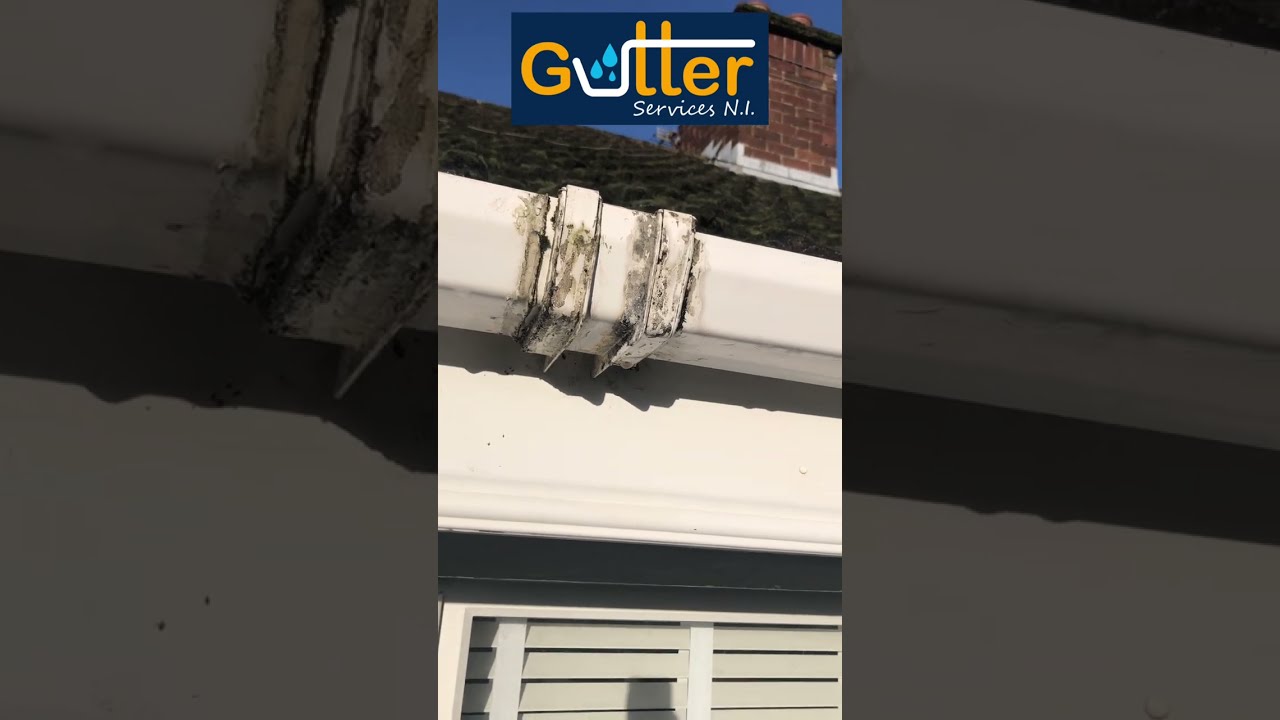
- Rust streaks, holes, or visible gaps in the valley metal
- Moss, grass, or seedlings growing in the valley channel
- Pooling water or erosion on the ground beneath the valley discharge point
- Damp patches or musty smells in the roof space
Practical Steps to Prevent Valley Overflow
1. Clear the Valley and Gutters Regularly
Regular cleaning is the most effective prevention method. In Perth, a sensible schedule is to clean before the wet season (around April or early May) and again in late winter or spring. Homes beneath large trees may need an extra clean in summer to remove built-up litter. Remove debris by hand or with a soft brush, avoiding anything that could scratch or bend the metal. Never use a pressure washer aggressively on valley flashings or tile edges, as it can force water beneath the roofing.
2. Inspect Valley Liners and Flashings
Check for rust, cracks, lifted laps, and loose fixings. On tiled roofs, the valley iron should sit flat, with tiles cut neatly and held back sufficiently from the centre of the channel so water can flow freely. On Colorbond or other metal roofs, check sealant at laps and the condition of any fasteners. Small repairs, such as resealing or replacing a section of valley iron, are far cheaper than fixing ceiling and structural damage.
3. Make Sure the Valley Is Wide Enough
A valley that is too narrow, or one that is partly covered by overhanging tiles, restricts flow and encourages debris to lodge. Ensure the channel is open and unobstructed. A roofing professional can check that the valley width and depth suit the roof area it drains.

4. Install Valley Dams or Overflow Protection
Where a valley discharges into a gutter at speed, water can shoot straight across and over the far edge. Fitting a purpose-made valley splash guard or diverter slows and redirects the flow into the gutter. This is especially useful on steep roof pitches common in Perth homes with feature gables or multiple roof planes.
5. Upgrade Gutters and Downpipes
Gutters and downpipes should be sized to match the roof catchment area and local rainfall intensity. Consider these upgrades if overflow keeps happening:
- Larger or deeper gutter profiles, such as quad or high-front styles, to increase capacity
- Additional downpipes near valley discharge points
- Larger downpipe diameters, for example moving from 90 mm round to a larger rectangular profile
- Correct gutter fall so water drains toward outlets rather than pooling
- Rainwater heads or overflow slots to give water a safe escape route if a downpipe blocks
6. Use Leaf Guards and Gutter Mesh Carefully
Mesh and leaf guards can reduce the amount of debris entering gutters, but they are not maintenance-free. Fine debris such as pine needles and flower litter can still sit on top and cause overflow. In valleys, mesh must not restrict the flow or trap water. Choose products designed for high-flow areas and check them regularly, particularly in Perth's coastal conditions where salt can degrade low-quality materials.
7. Trim Overhanging Trees
Pruning branches that overhang the roof reduces leaf litter and limits damage from falling limbs during storms. Check local council guidance, including City of Fremantle requirements, before pruning or removing significant or protected trees, particularly on heritage-listed properties or in tree-protected areas.
Managing Water After It Leaves the Roof
Preventing overflow is not only about the roof. Stormwater should be directed safely away from the building. Perth's sandy soils drain well, which makes on-site soakage a common and approved approach, but poorly managed discharge can still cause problems.
- Connect downpipes to stormwater drains, soakwells, or infiltration cells in line with local requirements
- Maintain soakwells by removing silt and debris so they continue to drain efficiently
- Keep paving and landscaping graded away from the house
- Consider a rainwater tank to capture roof runoff for garden use, which also reduces peak stormwater loads
Many Perth properties are required to manage stormwater on site, so any changes to drainage should comply with local government and building requirements. If you are unsure, check with the City of Fremantle or a licensed plumber before altering stormwater connections.
When to Call a Professional
Roof work carries real risks, including falls, slippery surfaces, and damage to fragile materials. Consider engaging a qualified roofer or roof plumber when:

- The valley is corroded, split, or leaking into the roof space
- Overflow keeps happening even after cleaning
- The roof is steep, high, or has fragile materials such as aged tiles or asbestos-containing sheeting
- You need to redesign gutters, downpipes, or valley flashings
- You suspect water has already damaged timber, insulation, or ceilings
Older Fremantle homes may contain asbestos-cement roofing or gutters. Never drill, break, scrub, or pressure-wash suspected asbestos materials. Arrange an assessment by a licensed professional instead.
Seasonal Maintenance Checklist for Perth Homes
- Late summer to early autumn: Remove accumulated debris from valleys and gutters, inspect flashings, and trim branches before the first heavy rain.
- Mid-winter: Check valleys after major storms, clear any blockages, and look for staining or leaks inside the roof space.
- Spring: Remove flower, seed, and bark litter, check for rust or sealant failure, and plan any repairs before summer.
- Summer: Inspect soakwells and drainage, review tree growth, and schedule upgrades during dry weather.
Planning for Heavier Rainfall Events
As of 2026, building owners across Perth are increasingly paying attention to the performance of roof drainage during intense storm events. Even though Perth's long-term annual rainfall has trended lower, short, high-intensity downpours still occur and can overwhelm drainage that is marginal or poorly maintained. Upgrading valley and gutter capacity now, and keeping systems clear, helps protect your home through 2027 and beyond.
Final Thoughts
Stormwater overflow from roof valleys is https://elliotlrrp279.inkharbory.com/posts/new-build-roofing-checklist-for-perth-homeowners-in-2026 largely preventable with regular cleaning, timely repairs, and well-sized drainage. Keep valley channels clear, inspect flashings for coastal corrosion, upgrade gutters and downpipes where capacity is limited, and ensure stormwater is discharged properly on site. A few hours of maintenance before winter can prevent costly water damage and keep your Fremantle home dry throughout the wet season.
Fremantle Roof Restoration & Repair
WA, 6160
(08) 9515 3082
Corrections
Spot something wrong? Send it to the desk and it gets fixed in the open.